
Sleep Science
-
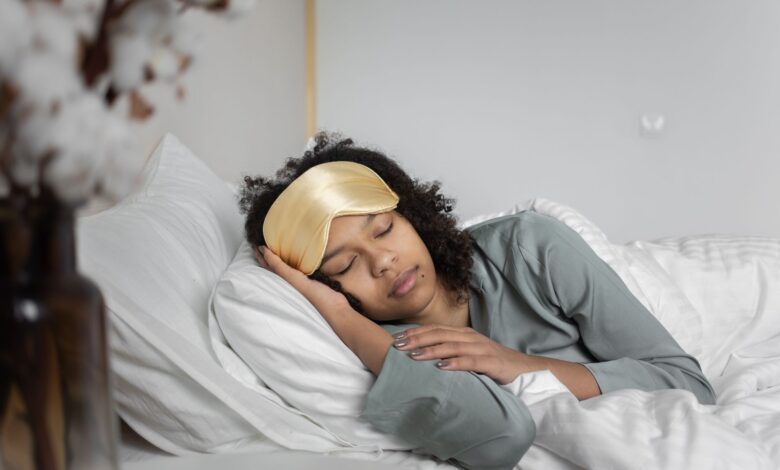
Cool Room or Warm Room? What Body Temperature Does During Sleep
“At Night, Your Body Intentionally Cools Itself Down.” As evening approaches, your body’s internal temperature begins to lower, and warm blood starts to flow toward your extremities where it can escape from your body. This is a major reason why a warm bedroom interferes with sleep. The latest research about body temperature and sleep, including a review of thermoregulation published…
Read More » -
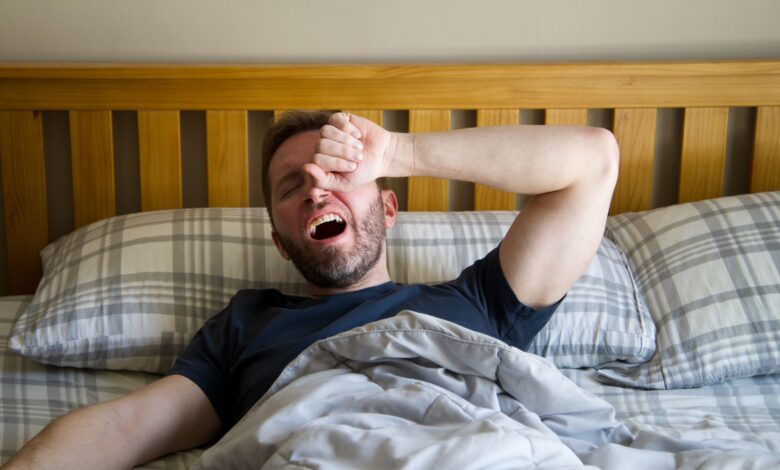
Groggy After Waking? Sleep Inertia, What Drives It, and How Long It Typically Lasts
Sleep inertia typically causes a state of grogginess immediately upon waking, it is a temporary reduction of alertness and mental clarity, caused by the transition of the brain from sleep to awake mode. Most people experience sleep inertia or grogginess, for example, in the first 30 minutes after sleeping, but several factors play into the duration of how long grogginess…
Read More » -
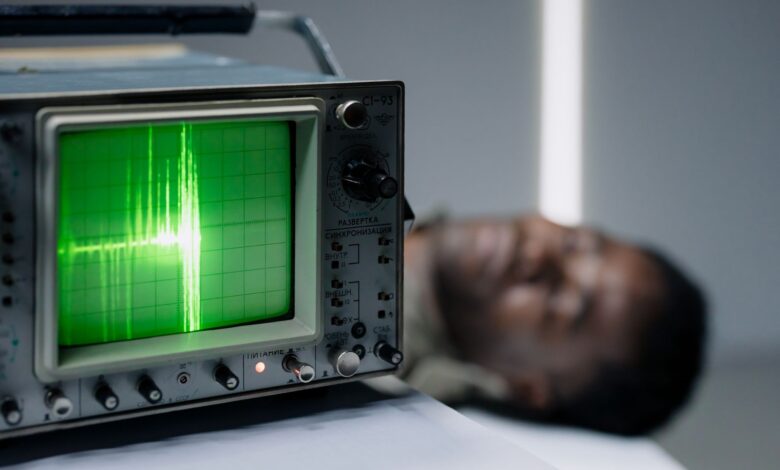
How Long Is a Sleep Cycle? Why 90 Minutes Is an Average, Not a Rule
The general time frame for completing a full sleep cycle is approximately 1.5 hours, (90 minutes); however, this estimate should only be used as a guideline. A study of 369 normal sleepers showed the typical duration of a “sleep cycle” was 96 minutes, with researchers finding that there was a 95% chance that any individual’s full sleep cycle would fall…
Read More » -
If You Lose Sleep on Weekdays, Can the Weekend Make It Up?
Sleep deprivation can be mitigated by allowing for longer sleep opportunities over the weekend. While this can assist in restoring some of the sleep lost during an abbreviated workweek, it will not always completely reverse the effects of sleep deprivation. Laboratory studies indicate that there were multiple measures of improved performance following one or more nights of additional sleep; however,…
Read More » -
Night Owl or Morning Lark? What Chronotype Is, What Shapes It, and How Fixed It Really Is
If you just took a quiz that said you’re a Night Owl, or if you’ve just realised that 7:00 am seems like a different planet, it’s worth considering what that means about you. The nighttime/morning person’s distinction is an example of how different internal clocks can run at different times. Of course, there will also be variations in both what…
Read More »