

-
Sleep Tips
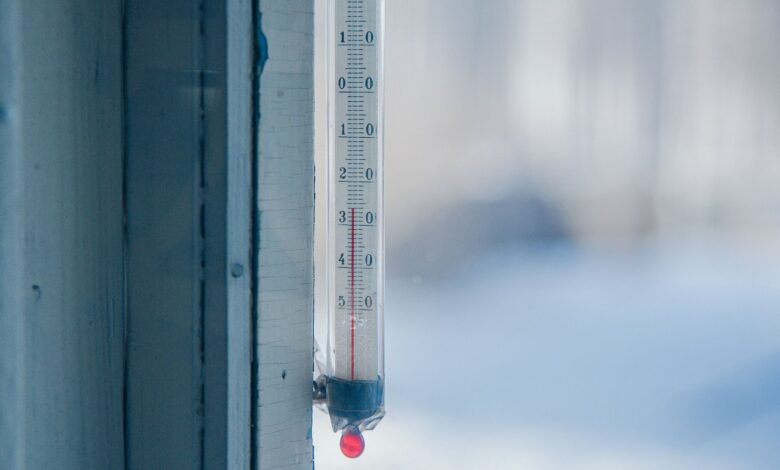
Sleeping in Hot Weather Without Air Conditioning: What Actually Lowers Room and Bed Temperature
When trying to sleep on a hot night without using an air conditioning (AC) unit, timing will be critical. You need to keep the inside of your house cooler than what is outside during the hotter parts of the day and then allow any accumulated inside heat to escape once the temperature becomes cooler outside. Just as a fan does…
Read More » -
Sleep Tips
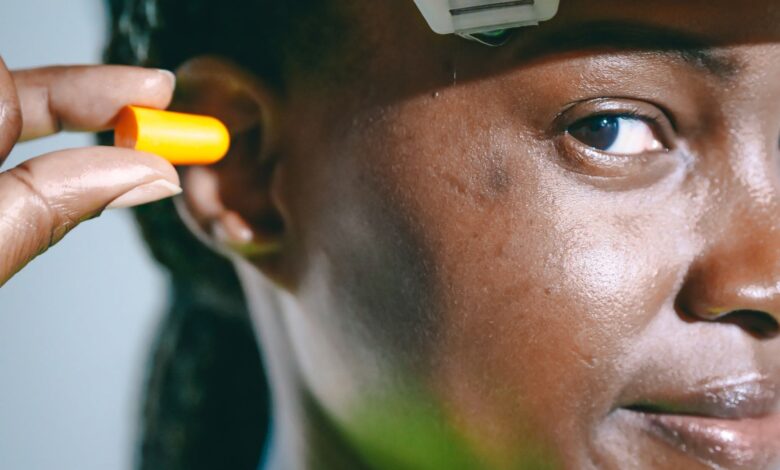
Sleeping in a Noisy Apartment: Which Noise Fixes Work and Which Are Hype
Finding a solution for sleeping in a noisy apartment can be a little dull, as the most reliable solutions require the act of closing off the air ways that noise travels through, as well as wearing a good set of custom-made earplugs. Other items like foam panels or a soothing sound machine may not be supported through research studies but…
Read More » -
Sleep Tips
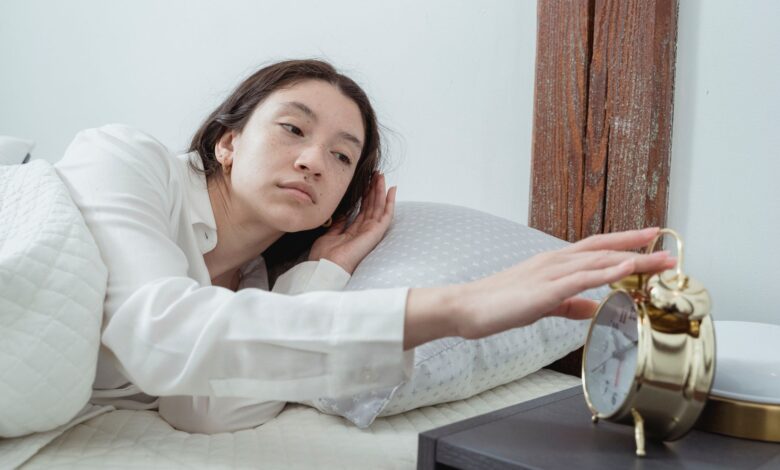
Fixing a Drifting Sleep Schedule: A Gradual Reset Around Wake Time and Morning Light
Choose a set wake-up time and stick with it every day of the week. Get exposure to sunlight shortly after waking, then gradually shift both your wake-up and sleep times to the earlier part of your daily schedule in smaller increments rather than in one substantial leap. This method works because your body’s internal biological clock follows light cues, and…
Read More » -
Sleep Tips

How Many Hours Before Bed Should You Stop Caffeine? Working Out Your Own Cut-Off
Six hours, eight hours, nothing after 2 p.m.: each of these rules gets passed around as if it were the answer. The research is less tidy, because the gap you need depends on how much is in your cup and how fast your body clears it. In a 2013 controlled trial, 400 mg of caffeine taken six hours before bed…
Read More » -
Sleep Tips
What Is the Ideal Bedroom Temperature for Sleep? Reading the Range Against Your Bedding and Room
According to the Cleveland Clinic and The Sleep Foundation, the optimal sleep temperature is between 60-68 degrees Fahrenheit (15.6-20 degrees Celsius). Cleveland Clinic sleep psychologist Michelle Drerup, PsyD stated the optimal temperature range is between 60-67 degrees Fahrenheit (approximately 15.6-19 degrees Celsius). The Sleep Foundation identifies the ideal sleep temperature as approximately 65 degrees Fahrenheit (18.3 degrees Celsius) and recommends…
Read More » -
Sleep Science
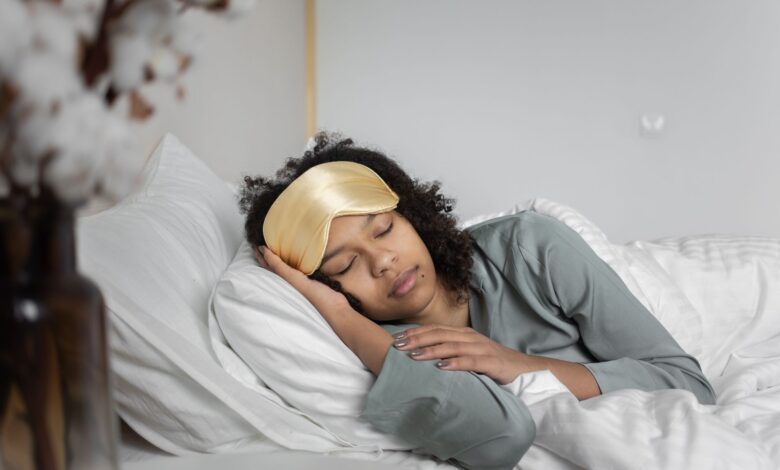
Cool Room or Warm Room? What Body Temperature Does During Sleep
“At Night, Your Body Intentionally Cools Itself Down.” As evening approaches, your body’s internal temperature begins to lower, and warm blood starts to flow toward your extremities where it can escape from your body. This is a major reason why a warm bedroom interferes with sleep. The latest research about body temperature and sleep, including a review of thermoregulation published…
Read More » -
Sleep Science
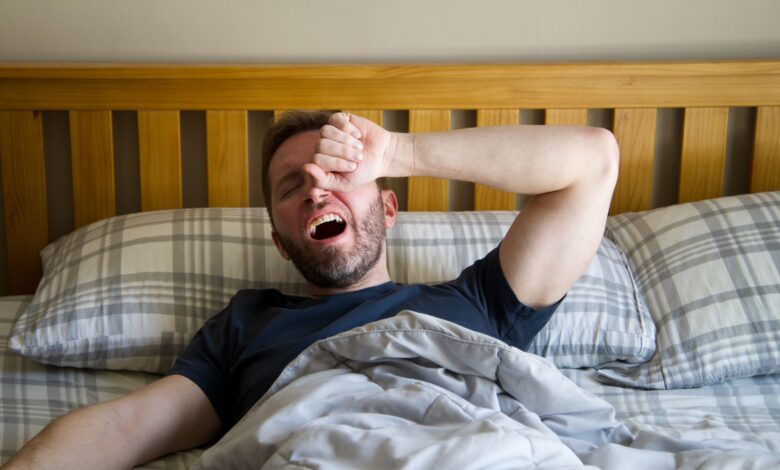
Groggy After Waking? Sleep Inertia, What Drives It, and How Long It Typically Lasts
Sleep inertia typically causes a state of grogginess immediately upon waking, it is a temporary reduction of alertness and mental clarity, caused by the transition of the brain from sleep to awake mode. Most people experience sleep inertia or grogginess, for example, in the first 30 minutes after sleeping, but several factors play into the duration of how long grogginess…
Read More » -
Sleep Science
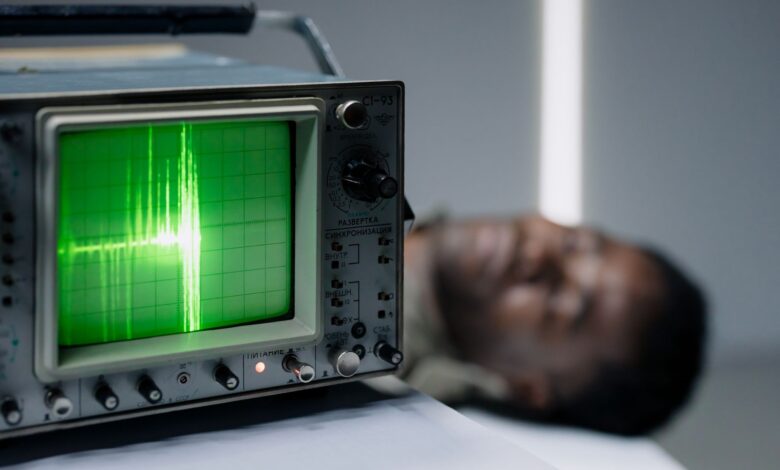
How Long Is a Sleep Cycle? Why 90 Minutes Is an Average, Not a Rule
The general time frame for completing a full sleep cycle is approximately 1.5 hours, (90 minutes); however, this estimate should only be used as a guideline. A study of 369 normal sleepers showed the typical duration of a “sleep cycle” was 96 minutes, with researchers finding that there was a 95% chance that any individual’s full sleep cycle would fall…
Read More » -
If You Lose Sleep on Weekdays, Can the Weekend Make It Up?
Sleep deprivation can be mitigated by allowing for longer sleep opportunities over the weekend. While this can assist in restoring some of the sleep lost during an abbreviated workweek, it will not always completely reverse the effects of sleep deprivation. Laboratory studies indicate that there were multiple measures of improved performance following one or more nights of additional sleep; however,…
Read More » -
Sleep Science
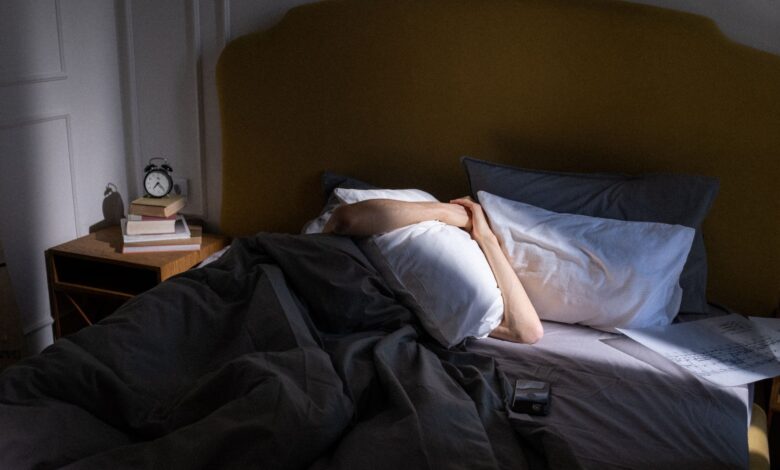
Night Owl or Morning Lark? What Chronotype Is, What Shapes It, and How Fixed It Really Is
If you just took a quiz that said you’re a Night Owl, or if you’ve just realised that 7:00 am seems like a different planet, it’s worth considering what that means about you. The nighttime/morning person’s distinction is an example of how different internal clocks can run at different times. Of course, there will also be variations in both what…
Read More »